Middle East — Country Profile
Saudi Arabia
Population
37.0 million
GDP
$1.39 trillion
Literacy Rate
98.0%
Life Expectancy
79 years
Net Migration
2.5
Gender Index
0.850
Economic Indicators
Key Trends (2015–2026)
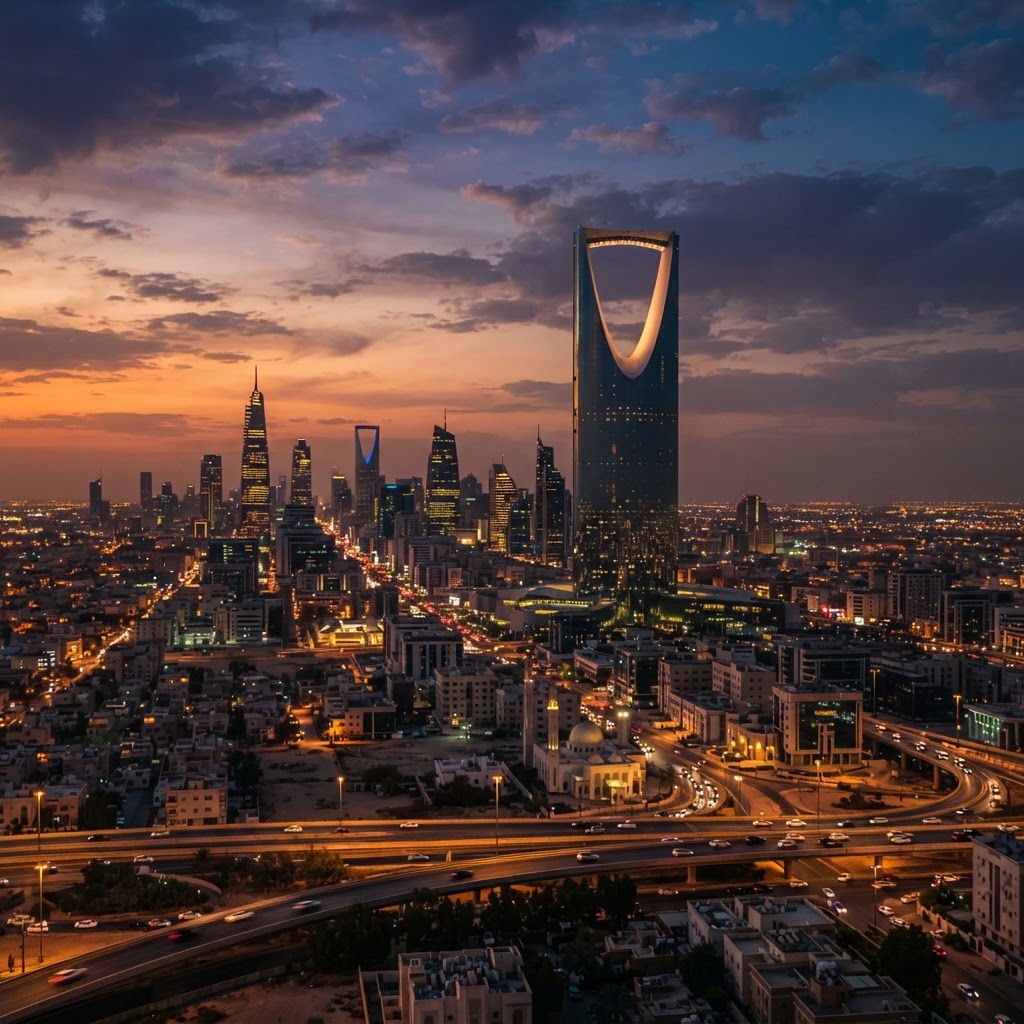
Saudi Arabia, with a population of approximately 37.0 million people and a GDP of 1.39 trillion US dollars as of 2026, stands as the largest economy in the Arab world and a pivotal force in global energy markets. The country is currently in the midst of its most ambitious peacetime transformation, driven by the Vision 2030 reform agenda spearheaded by Crown Prince Mohammed bin Salman. After a modest GDP growth rate of just 1.0 percent in 2024, the economy has staged a notable recovery, achieving 2.5 percent growth in 2025 and an accelerating 3.1 percent in 2026, reflecting the early dividends of diversification efforts. Its strategic geographic location at the crossroads of Africa, Asia, and Europe positions the kingdom as a natural hub for international trade, logistics, and finance. The government has channeled hundreds of billions of dollars into mega-projects such as NEOM, the Red Sea Project, and Diriyah, which are intended to transform the country's economic and cultural landscape. Life expectancy stands at a healthy 79 years, while the literacy rate has reached 98.0 percent, underscoring decades of sustained investment in human capital. Inflation has remained relatively contained, registering 2.0 percent in 2024, 2.2 percent in 2025, and 2.3 percent in 2026, providing a stable macroeconomic environment for both domestic consumption and foreign investment. The kingdom is playing an increasingly assertive role in regional diplomacy, including its landmark normalization dialogue with Iran and its continued engagement in Gulf Cooperation Council affairs. Social and cultural life is transforming rapidly, with entertainment sectors, tourism, and mixed-gender public spaces becoming increasingly normalized features of everyday Saudi life. The country's Gender Development Index score of 0.850 reflects meaningful but still incomplete progress toward gender parity across health, education, and economic dimensions. Saudi Arabia's net migration rate of 2.5 per thousand indicates that it continues to attract a significant inflow of foreign nationals, sustaining its labor-intensive development projects. The kingdom's fiscal reserves and sovereign wealth fund assets provide a substantial buffer against oil price volatility, reinforcing long-term economic confidence. International investors, multilateral institutions, and regional partners increasingly view Saudi Arabia as a stabilizing anchor in an otherwise turbulent Middle Eastern geopolitical environment. As of August 2026, the kingdom finds itself at a critical juncture where the pace of reform, the durability of oil revenues, and the success of diversification will collectively determine its trajectory for the coming decade.

