Middle East — Country Profile
Afghanistan
Population
44.5 million
GDP
$15 billion
Literacy Rate
37.0%
Life Expectancy
62 years
Net Migration
-5.0
Gender Index
0.450
Economic Indicators
Key Trends (2015–2026)
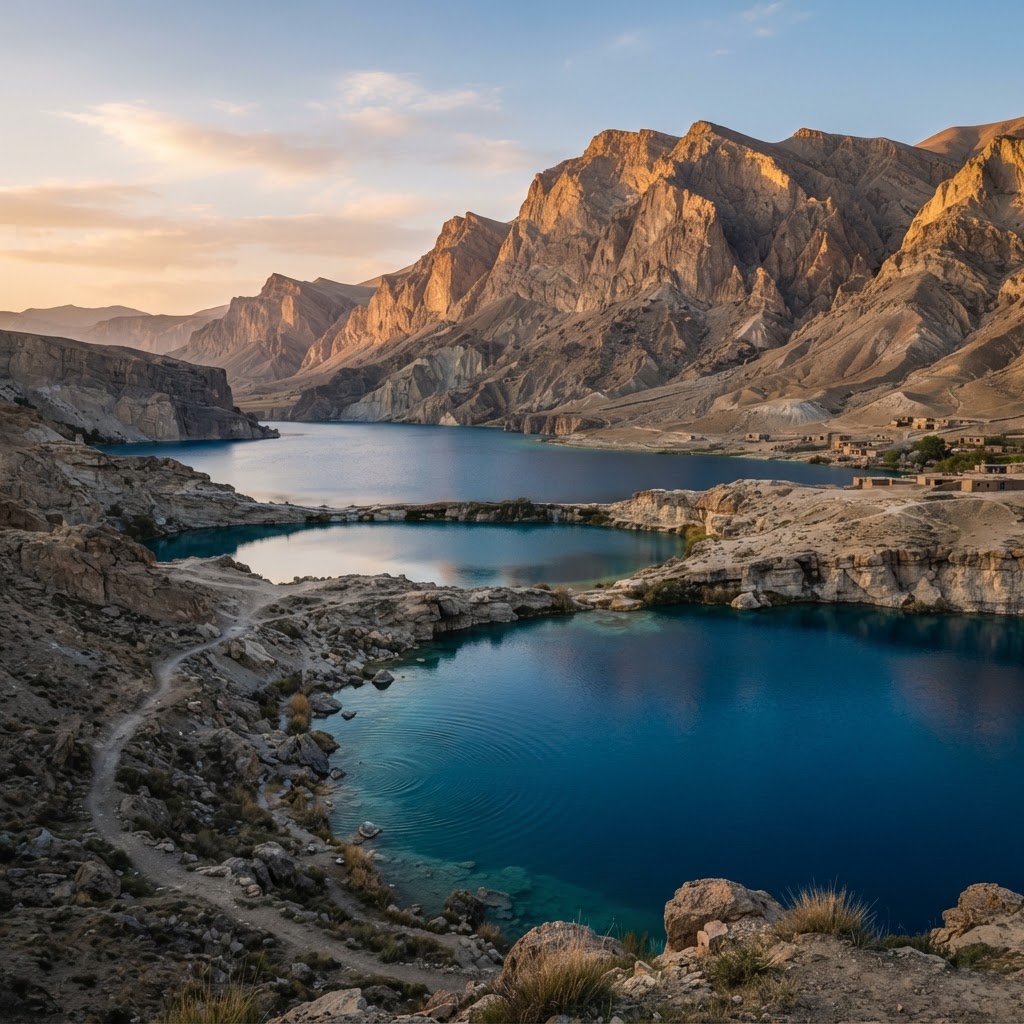
Afghanistan remains in the grip of a profound humanitarian and development crisis as of August 2026, five years after the Taliban's return to power fundamentally reshaped the country's political and socioeconomic landscape. With a population of approximately 44.5 million, the country bears the weight of one of the most severe humanitarian emergencies in the contemporary world, with nearly half of all citizens requiring some form of external assistance to meet basic survival needs. The economy has registered modest GDP growth of 3.5 percent in 2026, following figures of 4.3 percent in 2025 and 2.5 percent in 2024, yet these numbers reflect recovery from an extraordinarily low baseline rather than meaningful structural development. Life expectancy stands at just 62 years, a figure that underscores the chronic deficits in healthcare infrastructure, nutrition, and sanitation that afflict the general population. The country is landlocked and mountainous, making logistics and connectivity with regional trade networks persistently difficult and costly. Agriculture remains the backbone of the rural economy, yet it is repeatedly disrupted by climate-related shocks including prolonged droughts and irregular precipitation patterns linked to broader regional climate change dynamics. The collapse of formal banking infrastructure following the 2021 transition has continued to impede the flow of capital both domestically and internationally, frustrating efforts to stimulate economic activity. International isolation persists as no major state formally recognizes the Taliban administration, which constrains Afghanistan's access to multilateral financial institutions and development funding. Food insecurity remains a defining feature of daily life for a substantial portion of the population, with chronic malnutrition among children presenting a long-term developmental catastrophe in the making. The security environment, while relatively stable in terms of large-scale conventional conflict, is characterized by persistent low-level insurgent activity and targeted violence in certain provinces. A migration rate of negative 5.0 reflects the sustained outflow of population seeking economic opportunity and safety beyond Afghan borders. The country's literacy rate of just 37.0 percent represents one of the lowest in the world and creates a fundamental barrier to both individual advancement and broader economic productivity. Gender inequality remains among the most acute globally, with a gender index score of 0.450 reflecting the deeply entrenched structural disadvantages faced by Afghan women and girls. International aid flows continue to serve as a critical lifeline, though donor fatigue and competing global crises have introduced increasing uncertainty into the humanitarian funding pipeline. Afghanistan's trajectory in 2026 is shaped by the intersection of political rigidity, economic fragility, and demographic pressure, making prospects for near-term improvement structurally limited.

