South Asia — Country Profile
Pakistan
Population
252 million
GDP
380 billion USD
Literacy Rate
60%
Life Expectancy
68 years
Net Migration
-1.2 per 1000
Gender Index
0.540
Economic Indicators
Key Trends (2015–2026)
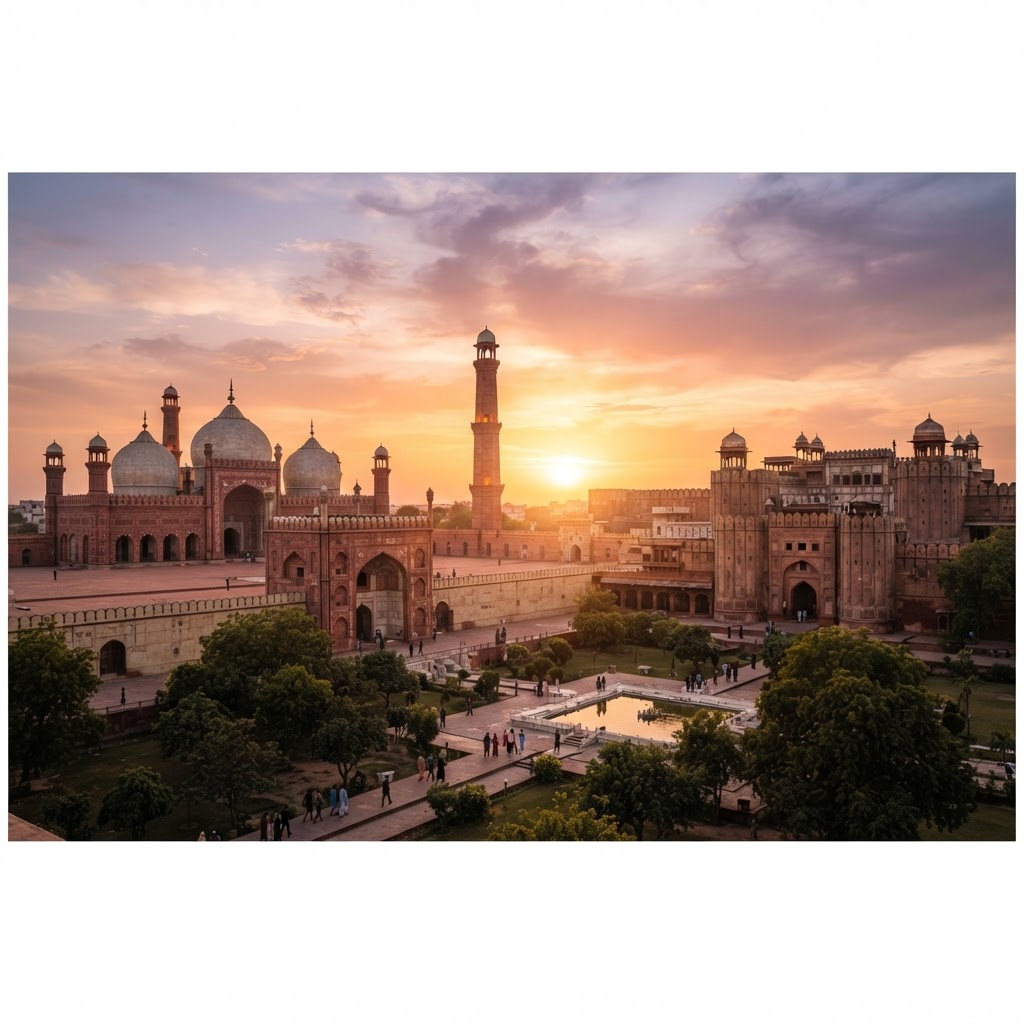
Pakistan, with a population of approximately 252 million people, occupies a strategically vital position at the crossroads of South Asia, Central Asia, and the Middle East, making it a country of considerable geopolitical significance. As of August 2026, the nation is navigating a period of cautious economic stabilization following several years of acute fiscal and monetary stress, with GDP growth accelerating from 2.5% in 2024 to a projected 3.7% in 2026. The country's geography is extraordinarily diverse, encompassing the high-altitude peaks of the Karakoram and Hindu Kush ranges, the fertile alluvial plains of the Indus River, the Thar Desert, and the Arabian Sea coastline, each presenting distinct economic and administrative challenges. Political stability remains a primary structural concern, with governance institutions continuing to manage tensions between competing centers of authority and the imperatives of internationally mandated economic reform. Pakistan's life expectancy stands at 68 years, a figure that reflects significant gaps in healthcare access, nutritional outcomes, and public health infrastructure, particularly in rural and peri-urban zones. The country's youth demographic is among its most defining characteristics, with a substantial proportion of the 252 million population below the age of 25, presenting both a potential demographic dividend and a pressing challenge for employment generation. Climate vulnerability constitutes one of the most serious long-term threats to Pakistan's development trajectory, as recurring floods, heatwaves, and erratic monsoon patterns continue to disrupt agricultural productivity and displace communities. The devastating floods of recent years have underscored the enormous fiscal and humanitarian costs of climate inaction, requiring the government to balance immediate disaster response with longer-term infrastructure investment. Pakistan's total GDP stands at approximately 380 billion USD, situating it among the larger developing economies of South Asia, though per capita income remains modest given the scale of the population. Regional connectivity initiatives, including those associated with the China-Pakistan Economic Corridor, continue to shape infrastructure development and foreign policy orientation, though the pace of project implementation has varied due to financing constraints. The country's strategic location between energy-rich Central Asia, the dynamic South Asian market, and the Gulf states continues to attract geopolitical interest from major powers, including China, the United States, and Gulf nations. Social cohesion remains a complex variable, with ethnic, linguistic, and sectarian diversity requiring careful political management to maintain national unity. International observers consistently note that Pakistan's long-term stability will depend on the government's ability to translate economic stabilization into tangible improvements in living standards for ordinary citizens. The country's migration rate of negative 1.2 per 1,000 people reflects ongoing outward movement of both unskilled labor and increasingly skilled professionals, underscoring the gap between domestic opportunity and global demand for Pakistani workers. The convergence of economic reform pressures, demographic growth, political contestation, and climate risk makes Pakistan one of the most consequential and complex cases in contemporary geopolitical analysis.

